
Accidents cause significant spine misalignments leading to chronic pain and reduced mobility. Corrective chiropractic care focuses on realigning the spine using gentle adjustments and exercises. Early intervention is crucial for identifying root causes post-accident. Postural assessment utilizes various diagnostic tools, including computer-based analysis, to correct misalignments. Chiropractors tailor treatment strategies for natural, effective recovery from spinal trauma, improving posture, mobility, and balance. Regular visits prevent complications and educate patients on maintaining improved alignment.
Accidents can cause significant trauma, often leading to postural issues that impact the spine's alignment. Maintaining proper spinal alignment is crucial for overall health, mobility, and quality of life. Traditional treatments may involve invasive procedures or prolonged rehabilitation. However, corrective chiropractic care offers a natural and effective solution for addressing postural issues after accidents, promoting healing, and restoring optimal spinal function. This article delves into the profound impact of accidents on spine alignment, explores the limitations of conventional approaches, and highlights the transformative potential of corrective chiropractic in facilitating recovery and enhancing overall well-being.
- Understanding Accident-Related Spine Misalignments
- Diagnostic Tools for Postural Assessment After Accidents
- Corrective Chiropractic Care: Restoring Natural Alignment
Understanding Accident-Related Spine Misalignments
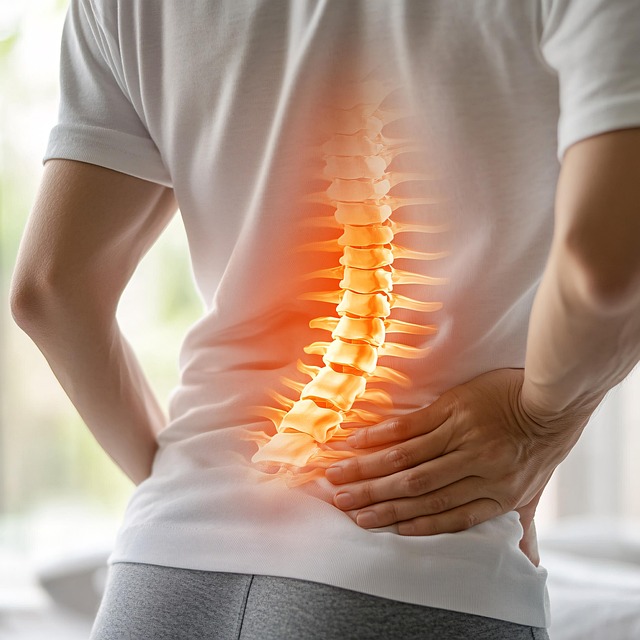
Accidents, whether minor fender benders or severe traumatic events, can significantly impact spine alignment, potentially leading to long-term postural issues. Understanding these misalignments is crucial for effective treatment and recovery. The spine, a complex structure of bones and muscles, is highly susceptible to the forces exerted during accidents. Even seemingly minor collisions can cause vertebrae to shift out of their natural position, resulting in spinal misalignments. These misalignments can compress nerves, disrupt the body's natural balance, and lead to a range of symptoms, from chronic pain to reduced mobility.
Chronic spine misalignments often develop as a result of the body's compensatory mechanisms during and after an accident. For instance, in a car crash, the sudden impact might cause the upper back and neck to hyper-extend or hyperextend, leading to a misalignment that can persist if left unaddressed. Over time, these misalignments can contribute to more severe postural problems, such as scoliosis or spinal degeneration. Corrective chiropractic care offers a natural approach to addressing these issues, focusing on realigning the spine and restoring its structural integrity. Chiropractors use a variety of gentle adjustment techniques and therapeutic modalities to help reduce nerve irritation, improve joint mobility, and support the body's inherent self-healing abilities.
Early intervention is key to preventing long-term complications. Following an accident, individuals should seek professional evaluation to identify any underlying spinal misalignments. Corrective chiropractic care can play a pivotal role in managing postural issues by not only addressing the symptoms but also targeting the root cause. Regular adjustments and targeted exercises can help strengthen muscles supporting the spine, enhancing overall stability and posture. Research supports the effectiveness of chiropractic care for accident-related injuries, demonstrating its ability to improve pain relief, increase mobility, and promote faster healing. By prioritizing spinal health after an accident, individuals can take proactive steps towards a full recovery and maintain optimal well-being.
Diagnostic Tools for Postural Assessment After Accidents

Postural assessment is a critical component of understanding and managing the impact of accidents on the spine. Following traumatic events, such as car crashes or falls, individuals often experience not only physical injuries but also alterations in spinal alignment and posture. Diagnostic tools play a pivotal role in identifying these changes, enabling healthcare professionals to devise appropriate treatment plans. One effective approach to address postural issues after accidents is corrective chiropractic care, which focuses on natural adjustments to restore balance and improve overall health.
Chiropractors utilize a variety of techniques to assess postural abnormalities, including static and dynamic postural analysis. Static assessments involve taking measurements while the patient is in a stationary position, providing insights into spine alignment at rest. Dynamic assessments, on the other hand, evaluate posture during movement, capturing how the body responds under different stress levels. For instance, a simple test like observing a patient's gait can reveal valuable information about their postural stability and potential spinal misalignments. Advanced imaging technologies, such as x-rays and MRI scans, are also employed to obtain detailed images of the spine, helping professionals identify specific areas of concern.
Additionally, computer-based analysis systems have emerged as powerful tools for precise postural assessment. These digital solutions use sensors and software algorithms to capture and analyze movement patterns, offering a comprehensive view of an individual's posture. For example, a study published in The Journal of Chiropractic Medicine (2018) demonstrated the effectiveness of computer-based dynamic postural analysis in identifying and correcting spinal misalignments after motor vehicle accidents. By combining these diagnostic tools with expert interpretation, healthcare providers can develop tailored treatment strategies, including corrective chiropractic adjustments, to address post-accident posture-related issues naturally and effectively.
Corrective Chiropractic Care: Restoring Natural Alignment

Accidents can cause significant trauma to the body, particularly affecting the spine and its alignment. Post-accident, many individuals suffer from postural issues that require careful attention and expert care. Corrective Chiropractic Care offers a natural and effective approach to addressing these challenges. This method focuses on restoring the body's inherent alignment, which is essential for overall health and well-being.
Chiropractors are trained to identify misalignments in the spine, often caused by accidents, and provide specific adjustments to correct them. These adjustments can range from gentle manual manipulation to instrument-assisted techniques, all aimed at realigning vertebrae and alleviating pressure on nerves. For example, a study published in the Journal of Chiropractic Medicine found that corrective chiropractic care significantly improved spinal alignment and reduced pain levels in patients with whiplash injuries following car accidents.
The benefits extend beyond physical symptoms. Corrective chiropractic for postural issues after accidents naturally supports better posture, enhances mobility, and promotes a sense of balance. It empowers individuals to take control of their health by understanding the connection between spine alignment and overall well-being. Regular visits can help prevent further complications and ensure the body heals optimally. Chiropractors often provide education on ergonomy, exercise, and lifestyle modifications, enabling patients to maintain their improved alignment in daily life.
Accidents can cause significant spine misalignments, impacting overall posture and well-being. Understanding these misalignments is crucial for effective recovery. Diagnostic tools like postural assessments help identify issues, enabling professionals to employ corrective chiropractic care as a natural and safe approach to restoration. This method aligns the spine, alleviates pain, and promotes healing without invasive procedures. By utilizing these strategies, individuals can effectively manage postural problems resulting from accidents, emphasizing the importance of early intervention and specialized care for optimal recovery.