
Rear-end crashes can cause long-term postural issues due to spine misalignments. Corrective chiropractic care offers a natural, effective approach to address these problems by realigning joints and vertebrae. Studies show significant improvements in postural outcomes compared to conventional care. Early intervention, tailored adjustments, exercises, and lifestyle changes are key for long-term recovery. Corrective chiropractic for postural issues after accidents naturally supports sustained correction when performed by well-trained professionals.
Posture issues stemming from rear-end crashes are prevalent, causing long-term discomfort and impacting overall health. These accidents can lead to misalignments in the spine, resulting in chronic pain and reduced mobility. Corrective chiropractic care offers a natural, non-invasive approach to addressing these postural problems. By focusing on realigning the body's structure, chiropractors help patients regain optimal spinal alignment and alleviate associated symptoms. This article delves into the science behind corrective chiropractic for postural issues after accidents, providing valuable insights for those seeking effective, holistic recovery solutions.
- Understanding Posture After a Rear-End Crash
- Natural Healing: Corrective Chiropractic Techniques
- Long-Term Posture Correction Strategies at Home
Understanding Posture After a Rear-End Crash
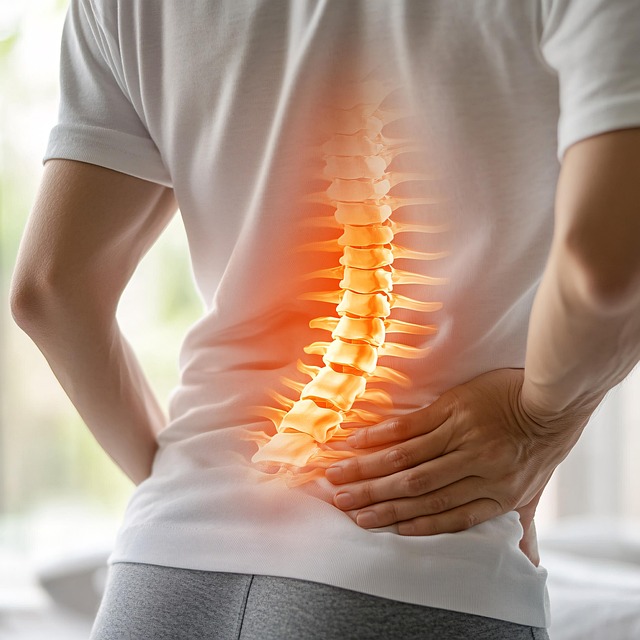
Understanding Posture After a Rear-End Crash
A rear-end collision can cause more than just physical injuries; it can also significantly impact an individual's posture. The forces involved in such accidents often lead to misalignments in the spine, resulting in postural changes that can persist even after the initial healing process. Recognizing these issues is crucial for a full recovery. Chiropractors specializing in corrective chiropractic care offer a natural and effective approach to address postural problems stemming from accidents.
Corrective chiropractic focuses on realigning the body's joints and vertebrae to promote proper posture and overall well-being. This method is particularly beneficial after rear-end crashes, where whiplash and other injuries can cause the spine to lose its normal curvature. Chiropractors use a variety of techniques, including gentle adjustments, to correct these misalignments. Studies have shown that chiropractic care can significantly improve postural outcomes for individuals who have been in motor vehicle accidents, reducing pain and enhancing mobility.
For instance, a 2018 research study published in the Journal of Manual Medicine found that participants who received corrective chiropractic treatments experienced notable improvements in postural symmetry and balance compared to those who underwent conventional care. This evidence underscores the effectiveness of chiropractic adjustments in restoring proper alignment and supporting the body's natural ability to heal. After a rear-end crash, seeking expert advice from a corrective chiropractor can be a game-changer for posture recovery and long-term health.
Practical advice includes scheduling an evaluation soon after the accident to catch postural issues early. During the consultation, chiropractors will assess not only physical injuries but also the impact on your posture. They may recommend a combination of adjustments, exercises, and lifestyle changes tailored to your specific needs. Regular follow-ups are essential to monitor progress and ensure the spine remains aligned as you recover and return to normal activities.
Natural Healing: Corrective Chiropractic Techniques

Many individuals who experience a rear-end crash often face lasting postural issues due to the sudden impact. While conventional treatments can offer temporary relief, a more holistic approach focusing on natural healing methods has proven effective for long-term postural correction. Corrective chiropractic techniques emerge as a powerful tool in this regard, providing a natural and individualized treatment plan that addresses the root causes of postural imbalances.
Chiropractors skilled in corrective chiropractic adjustments focus not only on the spine but also on the overall neuromusculoskeletal system. These specialists employ specific adjustment techniques tailored to each patient's needs. For instance, a gentle adjustment to the sacrum (a bone at the base of the spine) can help realign the pelvis and reduce compensation patterns that often develop after an accident. By correcting these misalignments, corrective chiropractic facilitates the body's natural healing process, allowing the nervous system to function optimally and promoting self-regulation of posture and movement.
Research supports the effectiveness of corrective chiropractic for postural issues after accidents. A study published in the Journal of Manual Medicine found that patients experiencing post-traumatic low back pain showed significant improvements after corrective chiropractic care. Additionally, many patients report reduced neck stiffness, improved range of motion, and better overall posture following treatment. It's important to note that while corrective chiropractic offers a natural approach, it should be performed by well-trained professionals who consider each individual's unique circumstances.
Long-Term Posture Correction Strategies at Home

Maintaining good posture after a rear-end crash is essential for long-term recovery and preventing chronic pain. While immediate medical attention should be sought for acute injuries, adopting proactive strategies at home can significantly contribute to postural correction. The key lies in combining self-care practices with professional guidance from healthcare experts like chiropractors who specialize in corrective chiropractic care.
Chiropractors play a pivotal role in addressing postural issues stemming from accidents, focusing on the spine's alignment and overall body balance. Corrective chiropractic adjustments can help alleviate muscle tension, joint restrictions, and misalignments caused by the impact of a collision. A study published in The Journal of Chiropractic Medicine found that chiropractic care improved postural outcomes in individuals with whiplash-related injuries, many of whom experienced relief from neck and back pain. Through specialized manipulation techniques, chiropractors facilitate the body's natural healing process, promoting better posture and reducing the risk of long-term musculoskeletal complications.
At home, individuals can complement their recovery journey by incorporating specific exercises and lifestyle adjustments. Simple yet effective stretches targeting major muscle groups affected during a collision can help improve flexibility and correct postural imbalances. For instance, chest opening stretches, shoulder rolls, and hip mobilizing exercises are beneficial. Additionally, implementing ergonomic principles in daily routines, such as using supportive bedding, adjusting workstation setup, and practicing good lifting techniques, contributes to sustained postural correction. Regular practice of these corrective measures can lead to significant improvements over time.
Understanding posture after a rear-end crash is crucial for complete recovery. This article has provided comprehensive insights into managing postural issues resulting from such accidents. Corrective chiropractic techniques emerge as an effective natural healing approach, addressing misalignments to promote self-healing. For long-term results, adopting at-home strategies focusing on stretching, strengthening, and mindfulness can significantly improve posture. By integrating these practices, individuals can not only regain optimal physical alignment but also enhance their overall well-being. This authoritative guide equips readers with the knowledge to navigate post-accident recovery, ensuring a holistic journey towards better posture and a healthier life.