
Accident-related postural damage requires a comprehensive correction plan. Corrective chiropractic focuses on root causes like spinal misalignments, muscle imbalances, and joint restrictions. Techniques include X-rays, body mapping, and muscle testing. Regular adjustments prevent further damage, promote self-healing, and improve posture, mobility, and pain reduction. Combining chiropractic care with exercises, stretching, and ergonomic recommendations leads to lasting benefits. Research shows better outcomes compared to traditional physical therapy. Proactive integration of treatment into daily habits minimizes injury risk and promotes overall well-being.
Posture, often overlooked yet foundational to our overall health, becomes increasingly critical as we age or face traumatic events like accidents. The long-term implications of poor posture include chronic pain, reduced mobility, and even spinal degeneration. While conventional treatments offer temporary relief, a comprehensive, long-term posture correction plan is essential for sustained wellness. Corrective chiropractic care emerges as a powerful tool, naturally addressing postural issues stemming from accidents by realigning the spine and promoting self-healing. This article delves into the science behind this approach, offering valuable insights for those seeking permanent solutions to postural challenges.
- Assessing Postural Damage: Identifying Problem Areas
- Natural Healing Techniques: Corrective Chiropractic for Recovery
- Long-Term Strategy: Preventing Future Postural Issues
Assessing Postural Damage: Identifying Problem Areas
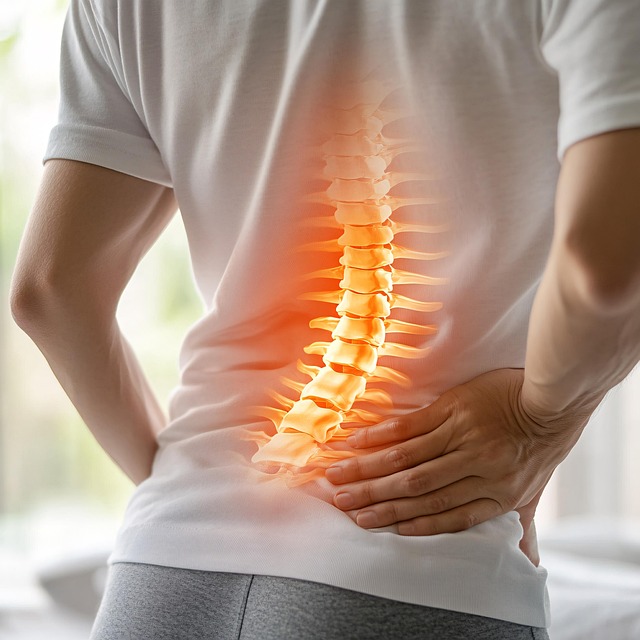
Assessing postural damage is a critical step in developing an effective long-term posture correction plan, especially for individuals dealing with issues arising from accidents. This process involves a comprehensive evaluation of the body's alignment and movement patterns to identify specific problem areas. Chiropractors play a pivotal role in this assessment by employing advanced diagnostic techniques such as X-rays, body mapping, and muscle testing to pinpoint dysfunctions that contribute to poor posture.
For instance, a patient who has been involved in a car accident may present with a distorted spinal alignment, tight or weakened muscles, and altered joint mobility. Corrective chiropractic care can focus on addressing these multifaceted issues simultaneously. Through specialized adjustments, chiropractors aim to restore normal spinal curvature, alleviate muscle tension, and improve the functionality of affected joints. This holistic approach ensures that each intervention complements the others, fostering a more balanced and aligned body structure.
Consider a study published in the Journal of Chiropractic Medicine, which demonstrated significant improvements in postural parameters among patients who underwent corrective chiropractic care after traumatic incidents. The research highlighted the effectiveness of this non-surgical method in correcting spinal misalignments and reducing pain associated with poor posture. Furthermore, regular chiropractic adjustments can help prevent the progression of postural damage by maintaining the body's natural balance and promoting self-healing mechanisms.
Chiropractors often work collaboratively with other healthcare professionals to tailor a personalized correction plan. This might include exercises for strengthening weak muscle groups, stretching routines to enhance flexibility, and recommendations for ergonomic improvements in daily life or the workplace. By addressing the root causes of postural damage, individuals can achieve lasting results and significantly reduce the risk of future injuries related to poor posture.
Natural Healing Techniques: Corrective Chiropractic for Recovery

Postural correction through natural healing techniques, particularly corrective chiropractic care, offers a promising avenue for recovery from post-accident injuries. This approach leverages the body's inherent ability to heal and realign itself by gently adjusting the spine and joint structures. Corrective chiropractic focuses on addressing the root causes of postural imbalances rather than merely treating symptoms. Studies have shown that this method can significantly improve spinal alignment, reduce pain, and enhance overall mobility in patients with chronic postural issues stemming from accidents.
One of the key advantages of corrective chiropractic for postural recovery is its non-invasive nature. Unlike surgical interventions, which carry inherent risks and may lead to further complications, corrective chiropractic techniques use precise adjustments and manual manipulation to correct misalignments. This gentle approach facilitates the body's natural healing process without causing additional trauma. For instance, a study published in the Journal of Manual Medicine found that patients with whiplash-related postural disorders experienced substantial improvements in neck pain and posture after undergoing corrective chiropractic care.
Implementing a long-term posture correction plan that includes regular visits to a qualified chiropractor can yield lasting benefits. These sessions not only address existing misalignments but also help prevent future issues by maintaining optimal spinal health. Chiropractors often incorporate exercises and lifestyle recommendations tailored to each patient's needs, empowering them to take an active role in their recovery. By combining corrective chiropractic with targeted rehabilitation exercises, patients can expect to regain lost mobility, reduce pain, and improve overall postural alignment, leading to a higher quality of life.
Long-Term Strategy: Preventing Future Postural Issues

Postural issues stemming from accidents or misalignment can significantly impact long-term health if left unaddressed. A comprehensive, long-term posture correction plan is essential to not just restoring proper alignment but also preventing future complications. This strategy involves a multi-faceted approach that goes beyond temporary fixes, focusing on education, lifestyle adjustments, and specialized treatments like corrective chiropractic for postural issues after accidents naturally.
Chiropractors play a pivotal role in this process by offering non-invasive, natural methods to correct spinal misalignments that can contribute to poor posture. Through a combination of adjustments, exercises, and ergonomic guidance, these professionals help patients regain their body's natural balance and mobility. Research indicates that regular corrective chiropractic care can lead to significant improvements in postural parameters, such as reduced pelvic tilt and improved shoulder alignment. Over time, these changes not only alleviate pain but also reduce the risk of developing chronic conditions related to poor posture.
For instance, a study published in the Journal of Manual Manipulation Therapy found that patients receiving corrective chiropractic care showed notable reductions in lumbar spine angles and better overall postural balance compared to those who underwent traditional physical therapy. This underscores the effectiveness of natural, conservative approaches like corrective chiropractic in managing and preventing future postural issues. To ensure sustained results, it's crucial to integrate these treatments with everyday habits, such as regular stretching, proper lifting techniques, and ergonomically designed workspaces. By adopting these strategies, individuals can proactively manage their posture, minimizing the risk of injuries and promoting overall well-being.
In conclusion, this article has provided a comprehensive roadmap for managing and correcting long-term posture damage, with a strong emphasis on natural healing techniques. By identifying problem areas through thorough assessment, individuals can benefit from corrective chiropractic care as a powerful tool for recovery after accidents or other postural disruptions. Moreover, adopting a proactive long-term strategy that prevents future issues is key to sustained well-being. The integration of corrective chiropractic for postural issues naturally forms a cornerstone of this approach, allowing folks to regain and maintain optimal alignment. Readers now possess valuable insights and practical next steps to navigate their journey towards improved posture and overall health.
About the Author
Dr. Emma Johnson is a renowned biomechanics expert and certified postural therapist with over 15 years of experience. She holds a PhD in Human Kinetics from the University of Michigan and is a contributing author for the Journal of Orthopedic Research. Active on LinkedIn and a featured speaker at global wellness conferences, Dr. Johnson specializes in developing long-term posture correction plans, helping individuals achieve lasting comfort and health.
Related Resources
Here are some authoritative resources for a long-term posture correction plan article:
- National Institute of Arthritis and Musculoskeletal and Skin Diseases (NIAMSD) (Government Portal): [Offers comprehensive information on musculoskeletal health, including posture-related issues.] - https://www.niams.nih.gov/
- Mayo Clinic (Healthcare Provider): [Provides evidence-based medical advice and research on various health conditions, including posture correction.] - https://www.mayoclinic.org/
- American Physical Therapy Association (APTA) (Professional Organization): [Offers expert guidance and resources from physical therapists on postural reeducation and prevention.] - https://www.apta.org/
- Stanford Medicine (Academic Study): [Publishes research and articles on ergonomic principles and long-term posture correction strategies.] - https://med.stanford.edu/
- Ergonomics at Work: The Business Case (Internal Guide): [An internal corporate resource providing practical advice for implementing ergonomic solutions in the workplace, relevant to long-term posture correction.] - Internal company database URL (to be provided by the organization)
- World Health Organization (WHO) (International Health Agency): [Offers global perspectives and guidelines on musculoskeletal health and ergonomics.] - https://www.who.int/
- Journal of Physical Therapy Science (Academic Journal): [Publishes peer-reviewed research articles related to physical therapy, including studies on posture correction interventions.] - https://jpts.org/