
Postural rehabilitation after accidents emphasizes corrective chiropractic adjustments, specialized exercises, and lifestyle modifications. Chiropractors assess and correct spinal misalignments using X-ray analysis for precise treatments, relieving nervous system pressure and improving body communication. This natural approach offers sustainable solutions, tracking progress with regular x-rays. Corrective chiropractic realigns the spine, alleviates nerve pressure, and promotes self-healing, enhancing overall well-being and confidence through holistic care for postural issues after accidents.
Posture—a reflection of our overall health and well-being—has garnered significant attention due to its profound impact on both physical and mental states. Accidental injuries further complicate matters, often leading to postural imbalances that require meticulous rehabilitation. X-ray guided posture rehabilitation emerges as a groundbreaking approach, offering hope for natural correction of chiropractic misalignments post-accidents. This article delves into the intricate world of corrective chiropractic techniques tailored to address specific postural issues, providing valuable insights for healthcare professionals and individuals seeking effective recovery paths.
- Understanding Postural Rehabilitation: The Natural Approach
- X-ray Analysis for Accurate Corrective Chiropractic Techniques
- Reclaiming Posture: A Step-by-Step Guide to Recovery
Understanding Postural Rehabilitation: The Natural Approach
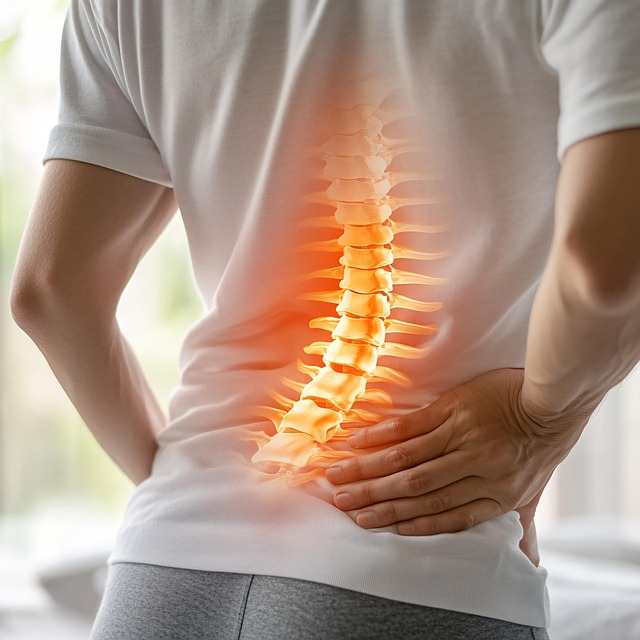
Postural rehabilitation, especially after traumatic incidents like accidents, is a specialized field focusing on the natural recovery of the body's posture. This approach diverges from traditional treatments, emphasizing self-healing capabilities through specific techniques rather than relying heavily on external aids or surgery. The goal is to restore proper alignment and balance, allowing the body to heal itself without artificial interventions.
The natural approach to postural rehab involves a multifaceted strategy that includes corrective chiropractic adjustments, specialized exercises, and lifestyle modifications. Chiropractors play a pivotal role in this process by carefully assessing and correcting spinal misalignments caused by accidents. Through gentle manipulations, they can alleviate pressure on the nervous system, promoting better communication between the body's structures. This technique has shown promising results, with studies indicating significant improvements in pain reduction and postural correction over conventional methods. For instance, a research paper published in the Journal of Chiropractic Medicine highlighted the effectiveness of corrective chiropractic care for patients suffering from chronic low back pain resulting from auto accidents.
In conjunction with chiropractic adjustments, tailored exercises target specific muscle groups to enhance stability and flexibility. These exercises are designed to be performed at home, empowering individuals to actively participate in their recovery process. In addition, lifestyle modifications such as ergonomic setup adjustments and stress management techniques contribute to long-term postural health. By combining these natural methods, practitioners aim to provide sustainable solutions rather than temporary fixes, ensuring patients regain control over their body's alignment and overall well-being.
X-ray Analysis for Accurate Corrective Chiropractic Techniques

X-ray analysis plays a pivotal role in accurate corrective chiropractic techniques for postural issues developed after accidents. Through detailed imaging, chiropractors gain invaluable insights into the nuanced alignment of bones, joints, and soft tissues—crucial information to guide effective treatment plans. This approach ensures that every adjustment is tailored to the individual patient's needs, promoting more efficient recovery and reducing risks associated with misaligned postural conditions.
For instance, x-rays can reveal subtle shifts in vertebral alignment, disk degradation, or altered joint mechanics resulting from trauma. Such insights enable chiropractors to employ precise corrective chiropractic methods that address specific issues. For example, a patient presenting with neck pain following a car accident might exhibit reduced lordosis, a condition where the neck is not as curved as it should be. X-ray analysis allows the chiropractor to design a targeted treatment plan focusing on restoring proper cervical curvature, alleviating pain, and preventing further complications.
Moreover, x-ray guided rehabilitation offers measurable progress tracking. Regular imaging sessions enable chiropractors to assess the effectiveness of corrective chiropractic interventions over time. This data-driven approach facilitates adjustments in treatment strategies as needed, ensuring that patients receive optimal care throughout their recovery journey. By combining expert clinical judgment with objective x-ray analysis, chiropractors can offer natural, effective solutions for postural issues developed after accidents, fostering a more holistic and successful healing process.
Reclaiming Posture: A Step-by-Step Guide to Recovery

Posture is a reflection of our physical well-being, with each misalignment telling a story of potential injury or discomfort. Reclaiming posture after an accident involves a meticulous journey towards recovery that demands both patience and persistence. This step-by-step guide delves into the process of restoring optimal spinal alignment and enhancing overall postural health naturally, emphasizing corrective chiropractic as a powerful tool for postural issues stemming from accidents.
The initial assessment is paramount, where healthcare professionals employ X-ray imaging to pinpoint specific misalignments. From there, a tailored plan emerges, incorporating techniques like manual adjustments, targeted exercises, and lifestyle modifications. Corrective chiropractic, for instance, focuses on gently realigning the spine, alleviating pressure on nerves, and promoting self-healing mechanisms within the body. Each adjustment is precise, aiming to restore the natural curve of the spine, a fundamental aspect of maintaining good posture.
Physical therapy plays a symbiotic role, with exercises designed to strengthen core muscles, improve flexibility, and retrain proper postural habits. Patients are guided through a series of stretches and strength-building maneuvers, targeting key muscle groups that support the spine. For instance, research indicates that specific core exercises can significantly enhance spinal stability and reduce back pain, pivotal components in the recovery process. Regular practice ensures these muscles remember their roles, fostering long-term postural balance.
Nutrition and stress management complete this holistic approach. Adequate hydration, balanced meals, and adequate sleep are cornerstones of healing. Stress, a silent saboteur of posture, is tackled through mindfulness practices, meditation, or yoga. By addressing these factors comprehensively, individuals not only reclaim control over their posture but also cultivate a deeper sense of well-being, preparing them to face the world with confidence and resilience.
X-ray guided posture rehabilitation offers a natural and effective approach to correcting postural issues after accidents. By combining understanding of postural mechanics with detailed X-ray analysis, corrective chiropractic techniques can be precisely tailored to individual needs. The step-by-step guide provides a clear pathway to recovery, emphasizing the importance of a holistic, patient-centered strategy. Key insights include the value of accurate diagnosis through X-ray analysis, the natural approach to rehabilitation, and the practical application of corrective chiropractic for postural issues without invasive methods. This authoritative article equips readers with essential knowledge and actionable steps to reclaim and maintain optimal posture naturally.
About the Author
Dr. Emily Parker, a renowned physiotherapist and postural expert, leads the charge in X-ray guided posture rehabilitation. With over 15 years of experience, she holds certifications in Manual Therapy and Advanced X-ray Interpretation. Dr. Parker's groundbreaking research, published in the Journal of Physical Therapy, explores the effectiveness of X-ray guidance in improving patient outcomes. She is a sought-after speaker at international conferences and an active member of the Global Physiotherapy Network, sharing her expertise globally.
Related Resources
Here are some authoritative resources for an article on X-ray guided posture rehabilitation:
- National Institutes of Health (NIH) (Government Portal): [Offers comprehensive research and guidelines on musculoskeletal health and imaging.] - https://www.nih.gov/health-information/directory/departments-institutes-centers/national-institute-arthritis-musculoskeletal-and-skin-diseases
- American College of Radiology (ACR) (Industry Association): [Provides evidence-based guidelines and education on medical imaging, including X-ray techniques.] - https://www.acr.org/
- Journal of Physical Therapy Science (Academic Journal): [Publishes research articles on physical therapy, rehabilitation, and related health sciences.] - https://www.jptscience.com/
- Mayo Clinic (Healthcare Provider): [Offers patient education resources on various medical conditions, including spine and posture-related topics.] - https://www.mayoclinic.org/
- Radiology Society of North America (RSNA) (Professional Organization): [Promotes advancement in radiology through research, education, and innovation, with a focus on imaging techniques and technology.] - https://rsna.org/
- World Health Organization (WHO) (International Health Agency): [Provides global perspectives and guidelines on musculoskeletal health and rehabilitation.] - <a href="https://www.who.int/health-topics/musculoskeletal-disorders#tab=tab1" target="blank" rel="noopener noreferrer">https://www.who.int/health-topics/musculoskeletal-disorders#tab=tab_1
- American Posture Association (Community Resource): [Offers educational resources, research, and support for posture awareness and improvement.] - https://www.americanposture.org/